

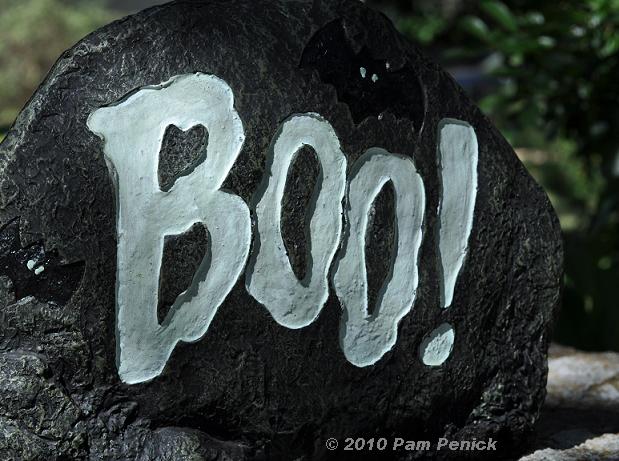
Garden Designers Roundtable: 5 Ways to Spice Up Your Garden with DANGER (just a little)
October 23, 2012 Is the scariest thing in your garden the risk of stepping in a pile of fresh dog doo? While real danger isn’t good—rotting deck boards, a spiny agave leaning out over the front walk, or a heavy piece of statuary that isn’t secured in place, especially if ...

Garden writers convene in the desert for Tucson GWA Symposium
October 21, 2012 A few short years ago I didn’t think of myself as a garden writer. I was a garden blogger, plain and simple. But then I started getting offered, and learned to pursue, paid writing assignments, and now I have a book coming out, a fact that still ...

Garden Designers Roundtable: Designing with Native Plants
August 28, 2012 Not that long ago, native plants got little respect. They were considered weeds, inelegant scrub, and surely harbored ticks, chiggers, and rodents. Ahead-of-their-time native-plant enthusiasts faced resistance from neighbors concerned about an unkempt look. And even if you did want to grow these plants, you couldn’t find ...

Garden Designers Roundtable: Harmonize art and sculpture with your garden
July 24, 2012 Garden Designers Roundtable talks art today. A discussion of art in the garden can go in so many directions: Plants as art. Homemade garden art. Making sure your art is the proper scale for the site. Child-safe installation of heavy sculpture. Functional garden art. What is art? ...
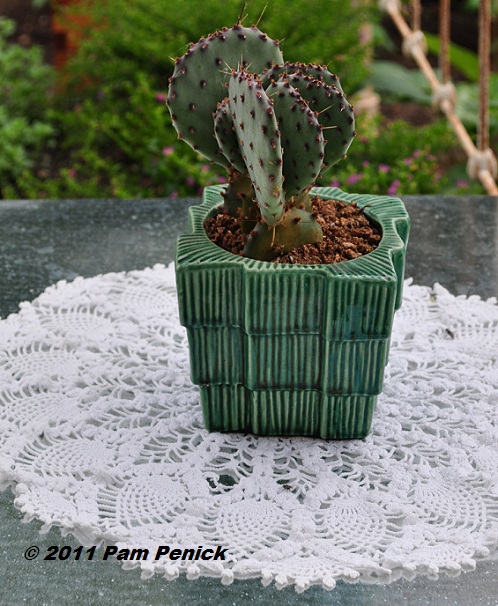
Garden Designers Roundtable: Contrast textures to make a good garden better
June 26, 2012 Even the smallest vignettes benefit from strong contrasts of texture. Take this tabletop display, for example. The slick zinc tabletop contrasts with a nubby lace doily, and the spiny cactus contrasts with the smooth, ceramic pot. If you use design techniques to bring greater interest to your ...

Garden Designers Roundtable: Our Home Gardens
May 21, 2012 Regular readers know that I often post about my own garden projects and my garden’s evolution. Heck, when I started blogging 6 years ago, that was the whole point. Today I have a good excuse for posting home-garden pics because it’s this month’s topic for Garden Designers ...

Garden Designers Roundtable: Gardening with Deer in Central Texas
December 13, 2011 If only all deer were as welcome in our gardens as Santa’s… But they’re not—at least not for most of us who want an attractive, diversely planted landscape around our home. Despite Bambi’s cuteness in the wild, in the garden deer are chomping and antler-rubbing pests that ...

Garden Designers Roundtable: Getting From Here to There – Garden Paths Lead the Way
September 27, 2011 Remember that old joke about the farmer who tells the lost traveler, “You can’t get there from here”? Do you ever feel that way about your yard or garden? Does nothing invite you in or show you where to go? If your yard has a bad case ...

Garden Designers Roundtable: Lawn Alternatives & a personal announcement!
August 22, 2011 In the midst of a blazing summer, as we in central Texas and other drought-stricken parts of the country helplessly watch our lawns turn to straw and then dust, this month’s Garden Designers Roundtable topic of “Lawn Alternatives” is surely the most timely ever. Faced with increasingly ...
Garden Designers Roundtable: Lawn Alternatives & a personal announcement!
August 22, 2011 In the midst of a blazing summer, as we in central Texas and other drought-stricken parts of the country helplessly watch our lawns turn to straw and then dust, this month’s Garden Designers Roundtable topic of “Lawn Alternatives” is surely the most timely ever. Faced with increasingly ...
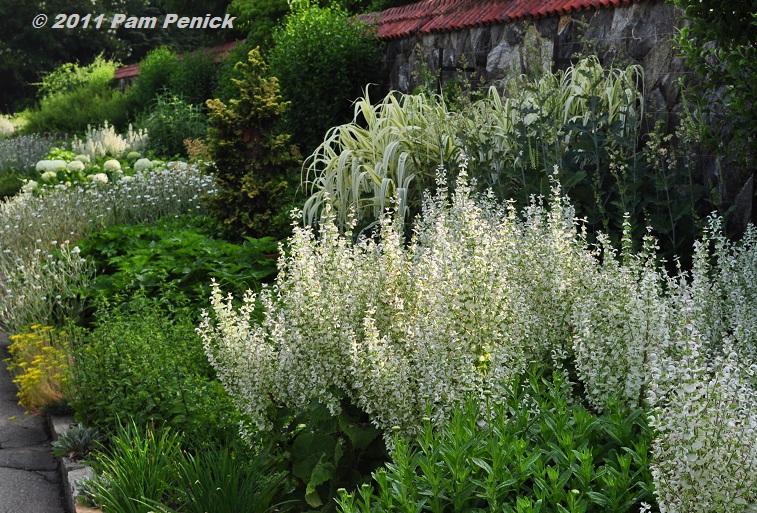
Garden Designers Roundtable: Shades of Limelight on the Garden Stage (& Other One-Color Gardens)
June 27, 2011 In Breakfast at Tiffany’s Holly Golightly cautions, “There are certain shades of limelight that can wreck a girl’s complexion.” Maybe so, but not a garden’s complexion. For proof, I give you these images of a limelight-colored border from the Biltmore House gardens in Asheville, North Carolina, which ...
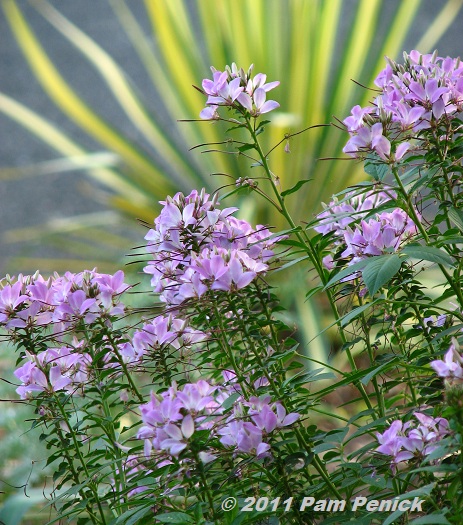
Top Landscape Plants for Garden Designers Roundtable
April 26, 2011 Although I’m not posting this time around, I hope you’ll check out my fellow designers at Garden Designers Roundtable, who are offering up their choices today for “Top Landscape Plants.” Of course gardening is local, and top plants for Denver or San Jose will not necessarily be ...

Garden Designers Roundtable: Bridging Earth and Sky with Vertical Gardening
March 22, 2011 I’m joining my colleagues at Garden Designers Roundtable today on the topic “Vertical.” Introducing vertical elements into the garden is a time-honored technique for bridging the gap between earth and sky. You can do so much more than just plant a tree! Here are my favorite techniques ...

Garden Designers Roundtable: Vegetable Garden Design
February 22, 2011 French potager, Allen Centennial Gardens, Madison, Wisconsin Today Garden Designers Roundtable celebrates the release of The Edible Front Yard: The Mow-Less, Grow-More Plan for a Beautiful, Bountiful Garden by Roundtable blogger Ivette Soler of The Germinatrix. How are we celebrating? By writing about edibles from a design ...

Garden Designers Roundtable: Sparking inspiration
December 14, 2010 We read books, magazines, and blogs about gardening to find it, poring over the photos, bookmarking eye-catching images and interesting text. We attend classes and talk with other gardeners to hear it. We visit other gardens to feel it. Inspiration—that oh! moment, the flash of a burning ...

Garden Designers Roundtable: Gardening with Nature, Gardening for Wildlife
August 24, 2010 Just in from a morning stroll through my garden, and what delights I witnessed. A tiny, blurry-winged hummingbird making the rounds from Mexican oregano to flame-leaf acanthus to Turk’s cap to Agastache. Honeybees spelunking for pollen. A leggy, spotted fawn tucked into a stand of bamboo muhly ...
