

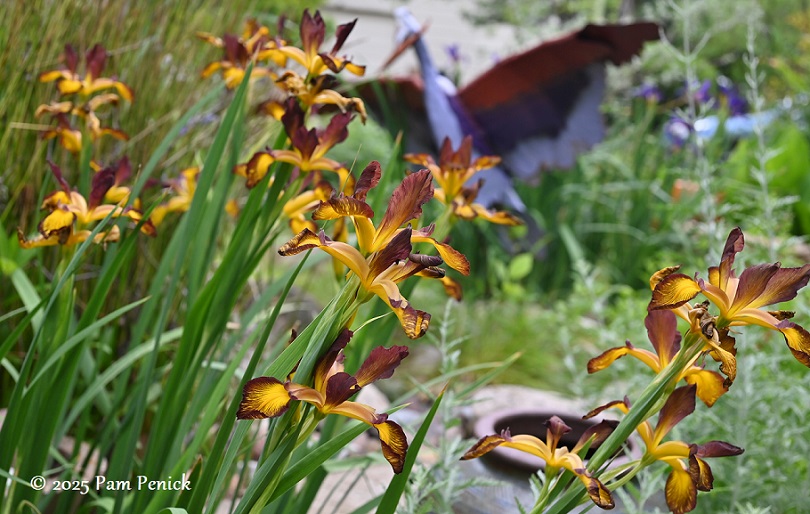
Cottage garden charm in Tom’s Tarrytown garden, Part 1
April 25, 2025 Spring is when I get invited — or invite myself — into gardens all around Austin. It’s a rush to see as many as I can before summer and the Death Star arrive. Right now though, it’s sweetness and light! Especially in the charming cottage garden of ...
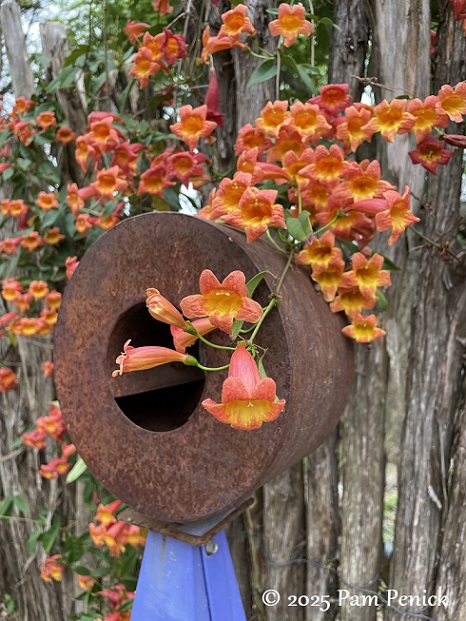
Not feeling cross about crossvine in bloom, and more!
March 31, 2025 When it goes, it goes. Ka-boom! An explosion of orange trailing along the coyote fence. ‘Tangerine Beauty’ crossvine is one of my favorite vines for spring color. It’s native, semi-evergreen, attractive to pollinators, vigorous but not invasive (unlike similar-looking trumpet vine — avoid!), and tough as nails ...
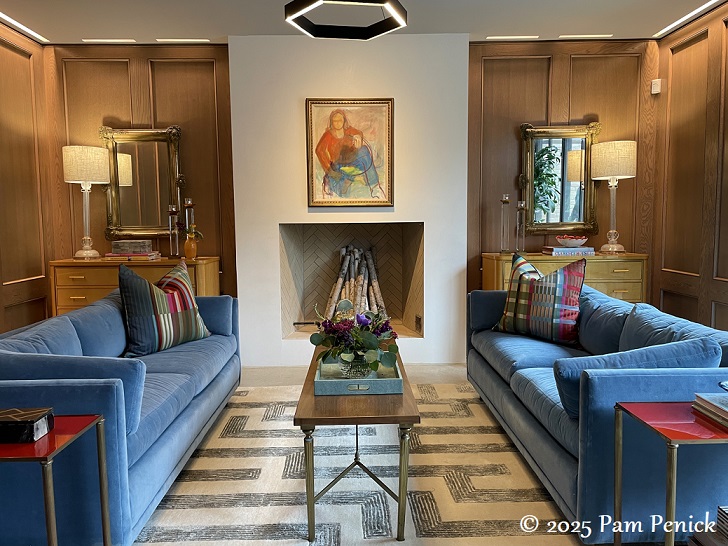
Austin homes on 2025 Tribeza Interiors Tour, Part 3
February 04, 2025 Let’s explore the last 5 homes on the 10th annual Tribeza Interiors Tour, a tour of Austin homes that shows off the work of interior designers. This is part 3 of my coverage of the late January tour. (Click for part 1 and part 2 if you ...
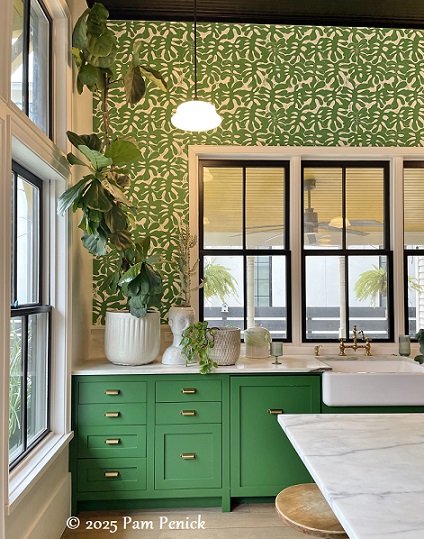
Austin homes on 2025 Tribeza Interiors Tour, Part 1
February 01, 2025 Last weekend I went on the 10th annual Tribeza Interiors Tour, a tour of Austin homes that shows off the work of interior designers. I look forward to this tour every January. Color, pattern, jewel-toned tile, bold wallpaper, art, and textiles combine to create beautiful living spaces, ...
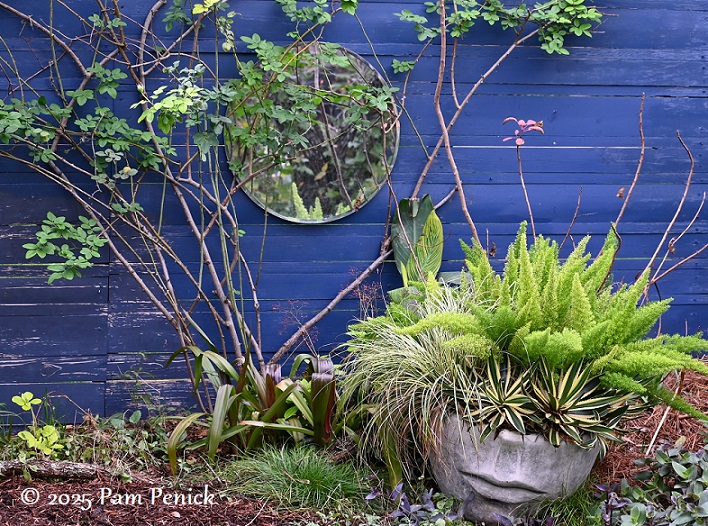
Lori’s blue fantasia garden
January 04, 2025 I popped over to my friend Lori Daul‘s house on Thursday, craving one more garden visit before the Arctic barrels down to Austin and brings our long growing season to an end. At Lori’s, fountains still trickle, ponds reflect sky, and plants sprawl luxuriantly. The garden echoes ...
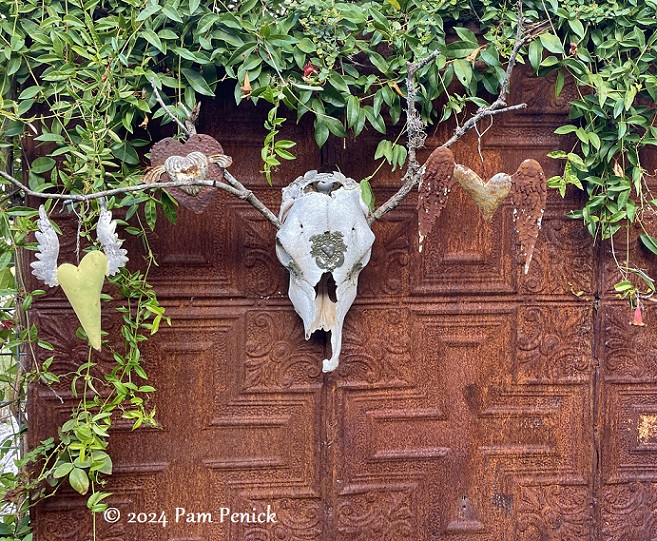
Cynthia’s home and garden with heart
November 14, 2024 Last month I visited my friend Cynthia Deegan’s home and garden, this time with Jennifer Jewell of Cultivating Place, who was in town to give a Garden Spark talk. I wanted Jennifer to meet Cynthia and see the soulful, joyful retreat she’s created at her Tarrytown bungalow with ...
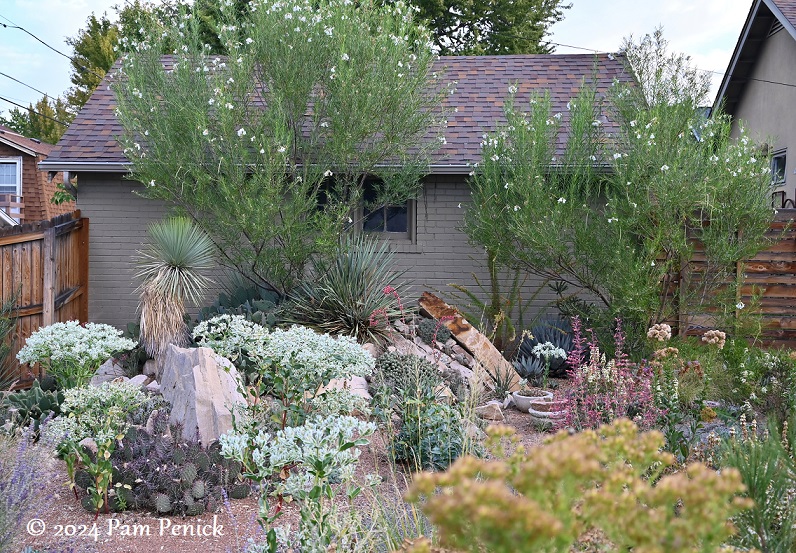
Falling for SummerHome Garden, Part 2
October 21, 2024 In my last post I shared the genesis of SummerHome Garden, a privately owned garden and public park in Denver’s Washington Park neighborhood. I visited in late September and spent a couple of hours early one morning taking pictures. The garden was so beautiful that I couldn’t ...
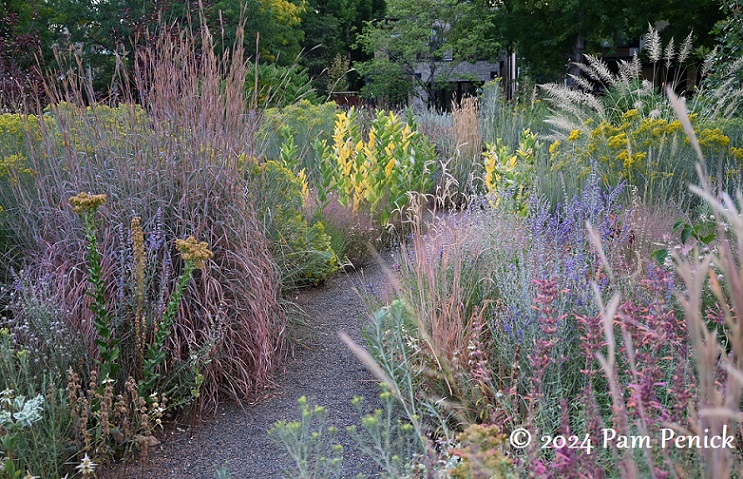
Fall at SummerHome Garden, Part 1
October 19, 2024 When I told gardening friends I’d be in Denver in late September, many urged me to visit SummerHome Garden. It was already on my list. SummerHome has had glowing media attention since its creation in 2020, and I’d read about it in Visionary and Shrouded in Light ...
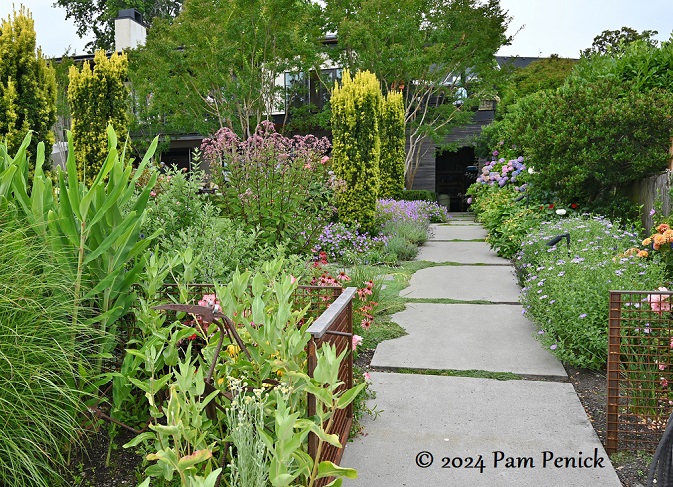
The elegant Pepper Garden with a water view
September 07, 2024 By lunchtime, we’d already visited four gardens on the bonus Seattle day of the Puget Sound Fling. Three more to go! Our next stop was an elegant home right on Lake Washington, with welcoming owners Vangie and Daniel Pepper. Let’s start in the back garden and work ...
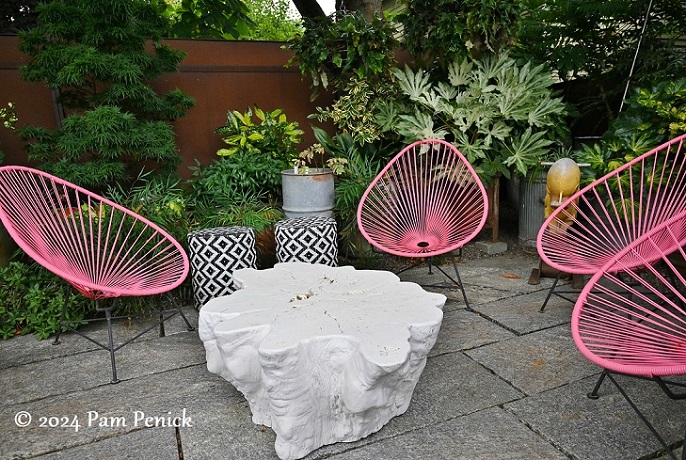
Playfulness and planters in the garden of Richard Hartlage
September 06, 2024 One garden I was eager to see during the Puget Sound Fling (on the bonus day in Seattle) was that of Richard Hartlage, head of design firm Land Morphology. I interviewed Richard years ago for an article in Garden Design and follow his work. To my delight, ...
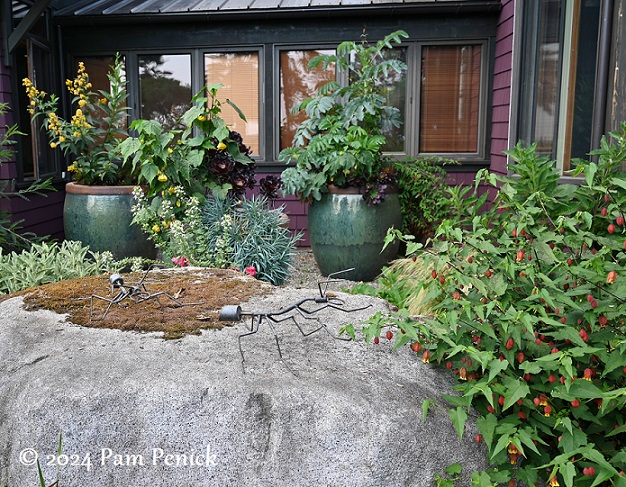
Winding my way through Windcliff, part 1
August 25, 2024 Seeing Windcliff, the private garden of plantsman Dan Hinkley and architect Robert Jones, was a huge draw on the Puget Sound Fling tour. I read and reviewed Dan’s book Windcliff a couple years ago and hoped I might be able to visit the garden one day. And ...
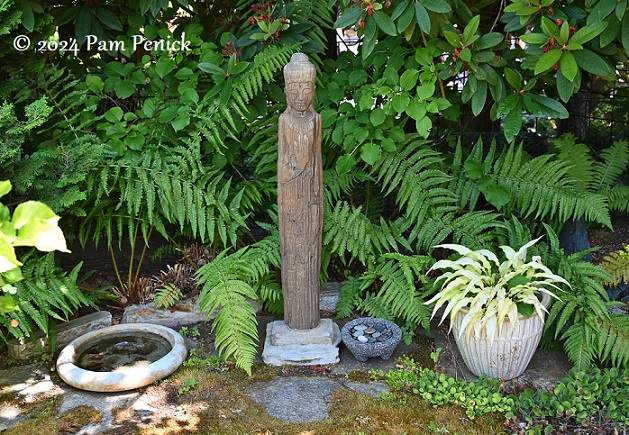
Next-door gardening neighbors at Puget Sound Fling
August 10, 2024 As we rolled into co-planner Camille Paulsen‘s Puyallup, Washington, neighborhood at the Puget Sound Fling last month, my bus was invited to tour a couple of her neighbors’ gardens while the other busload of Flingers worked their way into Camille’s garden first. I was charmed that Camille’s ...
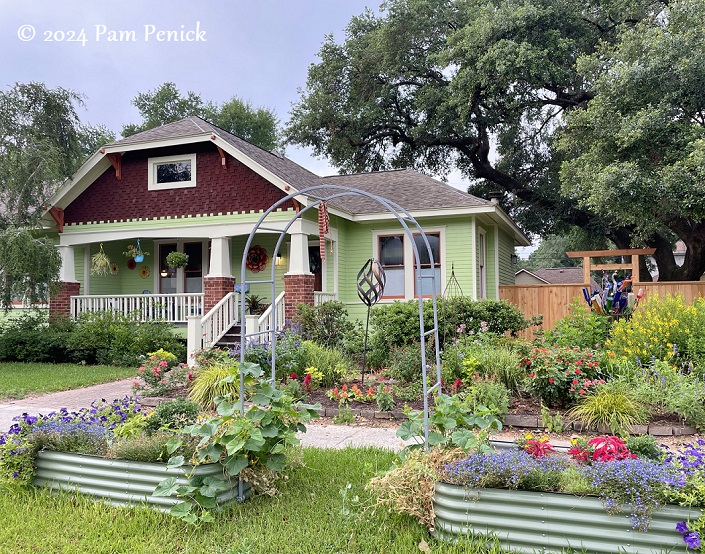
Front-yard gardens and free spirits in Houston’s Heights
June 21, 2024 During a walk through the Heights neighborhood in north Houston last month, amid the derecho cleanup I saw cheerful cottage gardens in bloom. I snapped a few of my favorites, starting with this pistachio-green bungalow. Olive-green Vego planters — I’m going to have some in my next ...
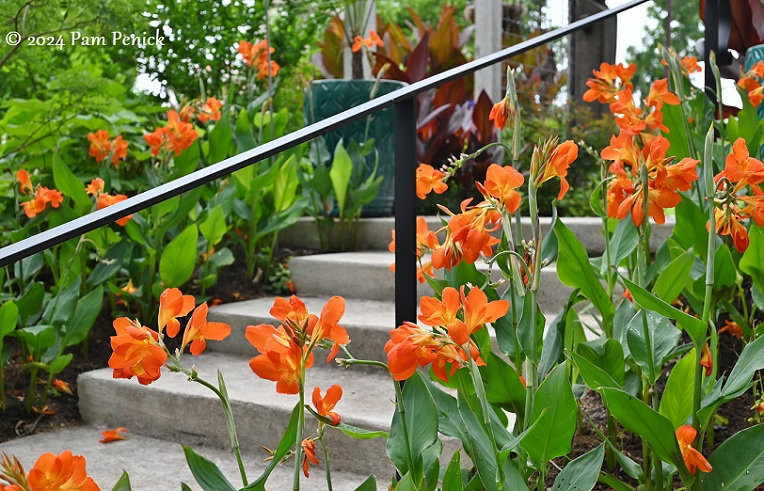
Tanglewild Gardens merges passion for daylilies with tropical wow factor
May 23, 2024 Every time I visit Tanglewild Gardens, an Asian-influenced, daylily-hybridizing, future-wedding-venue garden in North Austin, I’m impressed by the energy and ambition of its owners. Skottie O’Mahony and Jeff Breitenstein, 13 years into the making of Tanglewild, continue to expand on its garden rooms and are in the ...
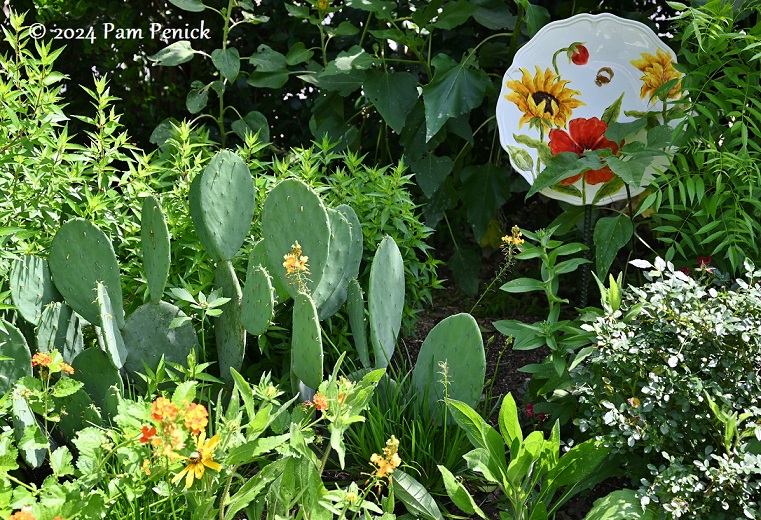
A no-fuss, downsized garden that still brings joy
May 14, 2024 I adored Colleen Jamison’s former garden, with its inviting patios, winding paths, charming decor, and custom gates and arbors built by her husband, Bruce. I blogged about that garden 11 years ago, as well as the median of her street that Colleen transformed into a community park ...
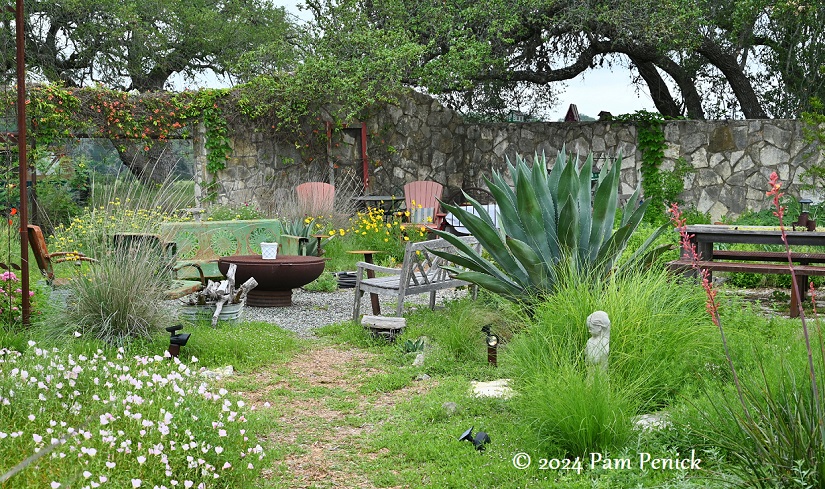
A sheep pen turned country garden in Blanco
May 06, 2024 A year ago I received an invitation to visit a unique garden in Blanco, a small town an hour west of Austin in the Texas Hill Country. Because I was working nonstop on my book, I took a rain check until this spring. Recently I drove out ...
