

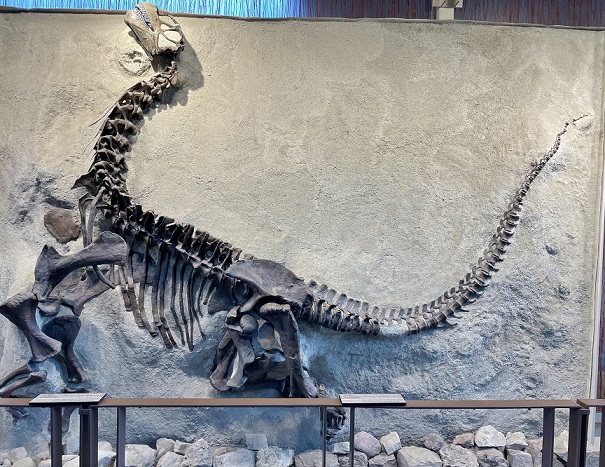
Wall of bones at Dinosaur National Monument
August 01, 2023 It may not be Spielberg’s Jurassic Park, but Dinosaur National Monument does have a lot of Jurassic-era dinosaurs. Dinosaur fossils, that is. The fossils jut from a slanted wall of rock, protected inside a climate-controlled exhibit hall at this remote park in northwest Colorado that stretches into ...
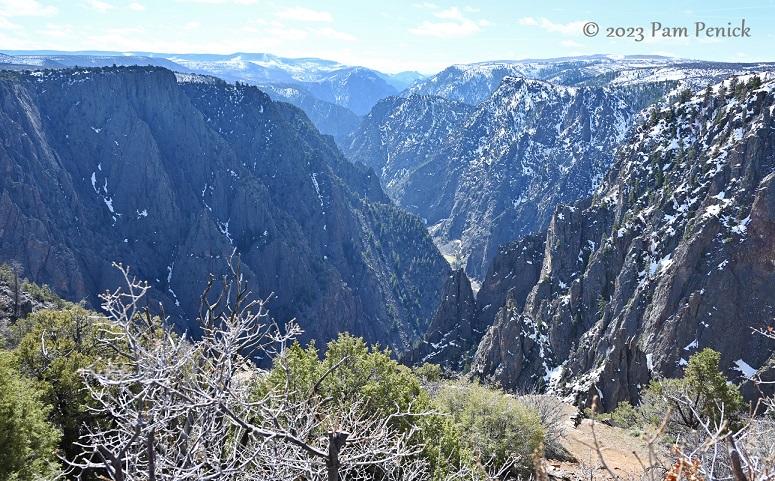
Cliffs of insanity: Black Canyon of the Gunnison National Park
June 11, 2023 After kicking off our national parks tour at Great Sand Dunes in southern Colorado, we headed west to another park we’d never visited: Black Canyon of the Gunnison National Park. The thrillingly steep canyon walls, black and forbidding, so sheer the sun rarely touches both sides at ...
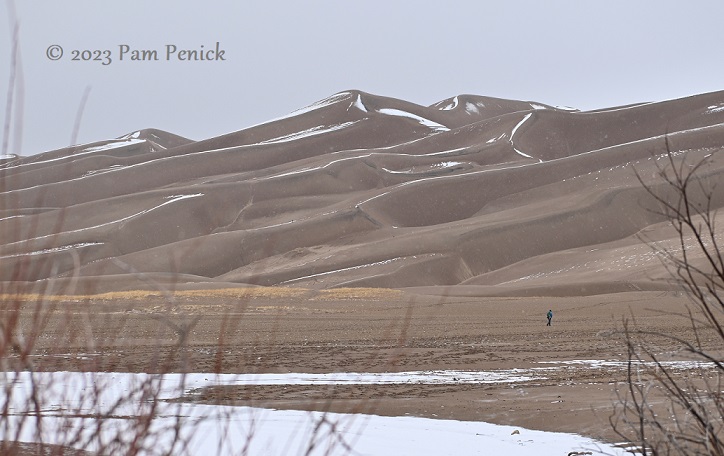
Kicking off our western national parks tour at Great Sand Dunes
June 08, 2023 Exploring national parks has always been one of our family’s favorite vacation activities. You get to immerse yourself in awe-inspiring landscapes, hike scenic trails, see wildlife like bears and bison, eagles and prairie dogs, and just soak up the beauty of the land. This spring my husband ...
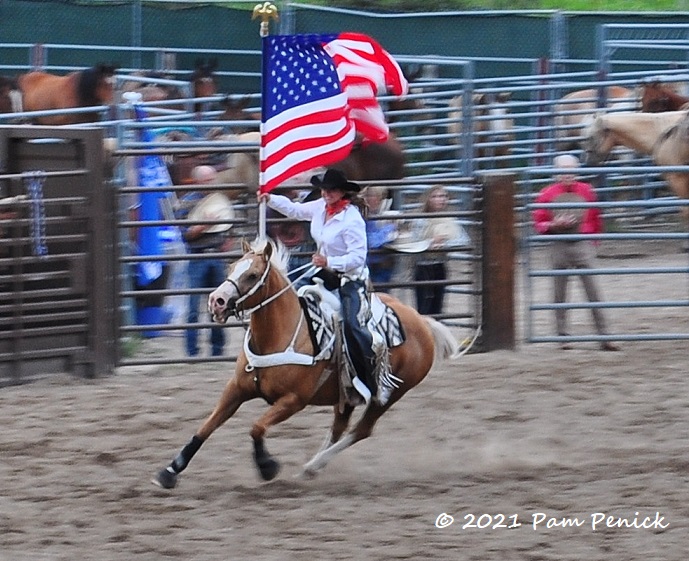
Cowboys and cowgirls ride to glory at Snowmass Rodeo
August 09, 2021 Every Wednesday evening all summer, cowboys and cowgirls saddle up to compete at the Snowmass Rodeo, just outside of Aspen, Colorado. During our mid-July visit to Aspen — and since we were staying just minutes away in Snowmass Village — we saddled our Subaru and got there ...
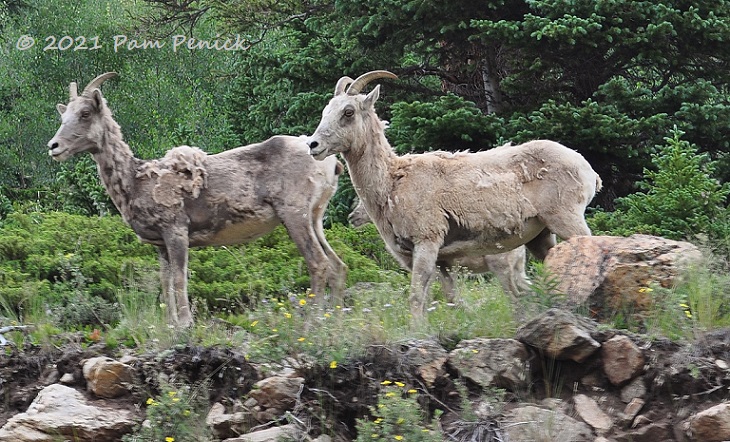
Wild bighorn sheep and wildflowers in the Rocky Mountains
August 06, 2021 Bighorn sheep ewe and lamb Driving to Colorado from Austin entails two days of sitting in the car and letting the wide-open, arid landscape of West Texas and northern New Mexico fly by. Some people find it boring, but I don’t. I enjoy the vast landscape while ...
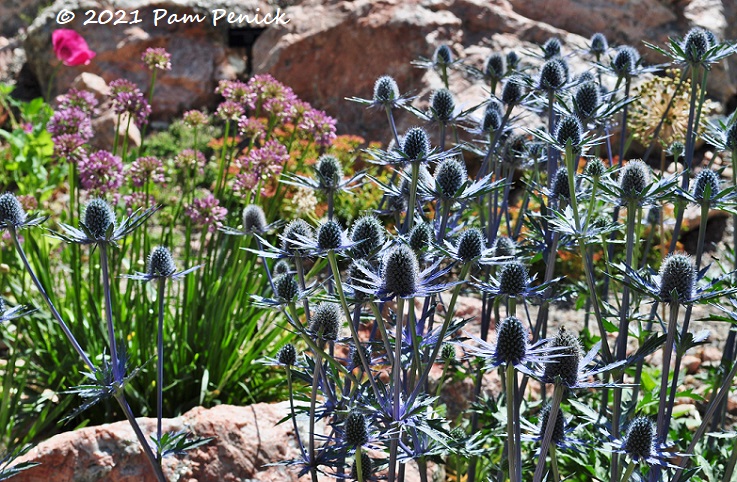
Betty Ford Alpine Gardens grows high in the Rockies
August 05, 2021 At 8,200 feet above sea level, Betty Ford Alpine Gardens in Vail, Colorado, claims bragging rights as the highest botanical garden in North America. It’s named, of course, in honor of the former first lady, who along with her husband, former President Gerald Ford, was a beloved ...
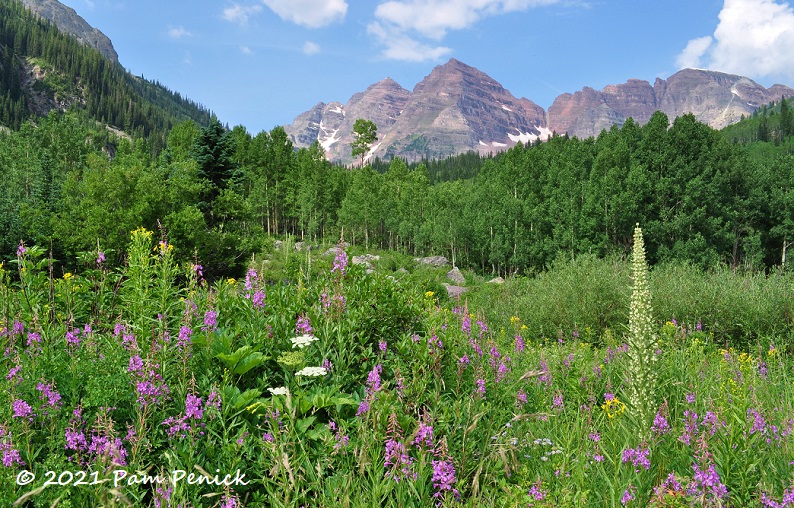
Maroon Bells hike through Colorado wildflowers
August 03, 2021 Texans flock to Colorado to escape summer’s heat, and we’ve made our share of road trips up through Boulder, Estes Park, Breckenridge, and Durango. But somehow we’d never been to Aspen. We remedied that oversight in mid-July, when the alpine meadows were quilted by colorful wildflowers. A ...
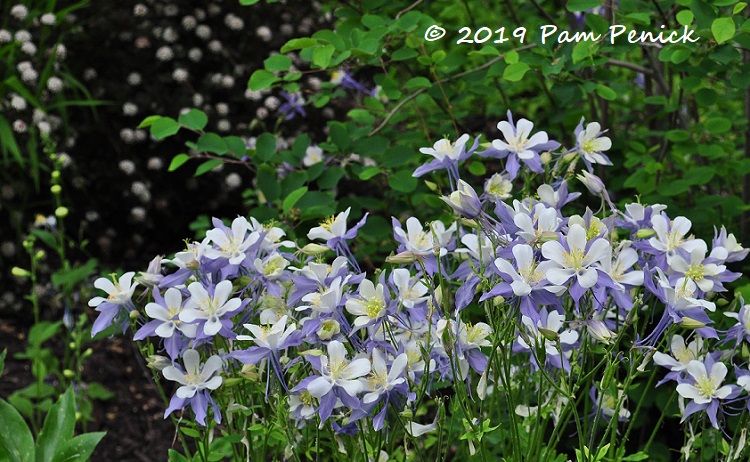
Line dancing and Stickwork sculpture at Chatfield Farms: Denver Garden Bloggers Fling
July 23, 2019 The Denver Garden Bloggers Fling (June 2019) wrapped up, after 3-1/2 days of touring Denver-area gardens, at Denver Botanic Gardens Chatfield Farms. Chatfield Farms, a 700-acre native plant refuge and working farm in Littleton, has a number of interesting gardens, including a prairie garden designed by Lauren ...
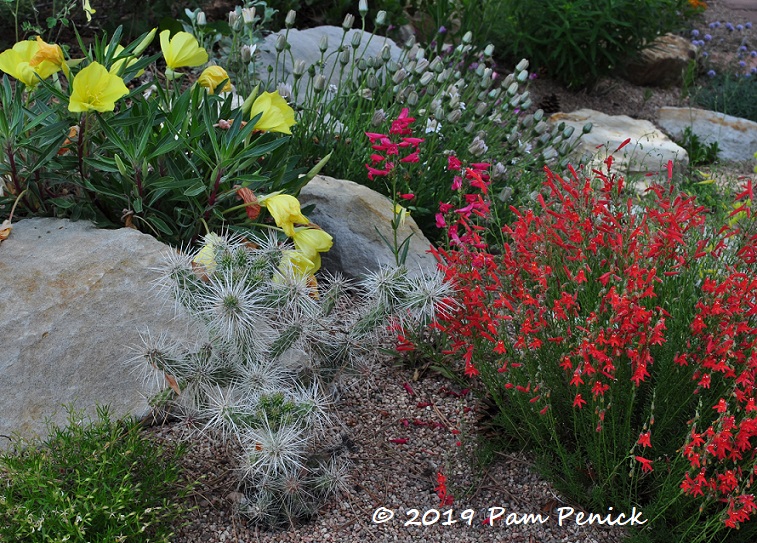
Keith Funk’s front-yard oasis: Denver Garden Bloggers Fling
July 22, 2019 The last private garden on the Denver Garden Bloggers Fling tour (June 2019) belongs to Keith and Retha Funk of Centennial, Colorado. When they bought their house in 2011, they inherited some lovely trees but also a tired landscape of overgrown shrubs and too much lawn. Their ...
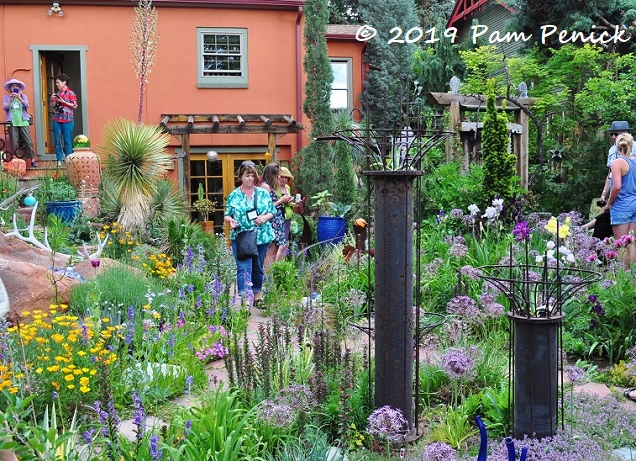
An exuberant, upcycled, scrap-art garden: Denver Garden Bloggers Fling
July 21, 2019 Colorful stucco walls! Upcycled metal garden art! Octopus planters! Agaves (atop caged columns) and alliums and poppies! Amusing vignettes! As soon as we stepped off the bus at Denver Garden Bloggers Fling (June 2019), I knew this garden would be one of my tour favorites. Who could ...
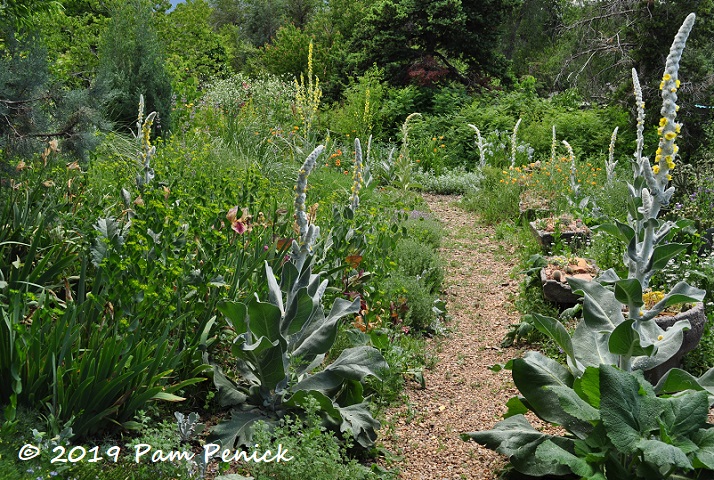
Steppe garden evangelist Panayoti Kelaidis’s garden: Denver Garden Bloggers Fling
July 18, 2019 Despite its Mile High City moniker, Denver is not a mountain town. True, the snow-capped peaks of the Rockies loom on its western horizon, but Denver sits on a relatively flat, semi-arid, grassy plain — aka a steppe, one of the 4 vast steppe ecosystems in the ...
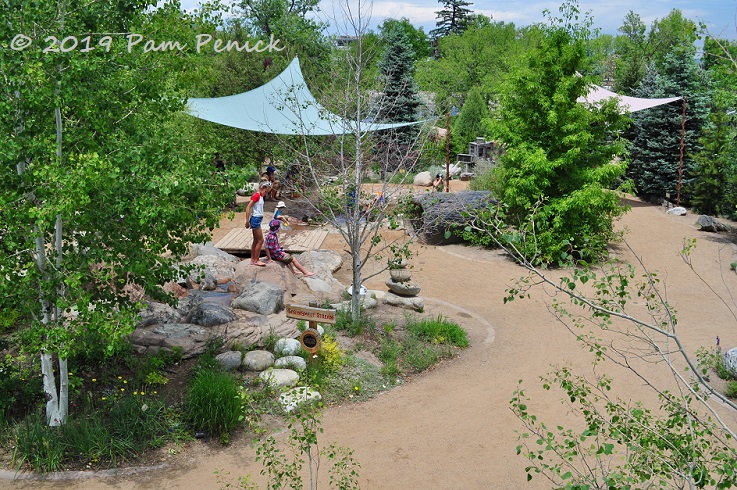
Children’s Garden at Denver Botanic Gardens: Denver Garden Bloggers Fling
July 17, 2019 Part of the Mordecai Children’s Garden at Denver Botanic Gardens, which I visited during the Denver Fling (June 2019), sits atop a parking garage, making it one very large rooftop garden. A pretty alpine garden, including this crevice garden, greets you as you enter, and it surprised ...
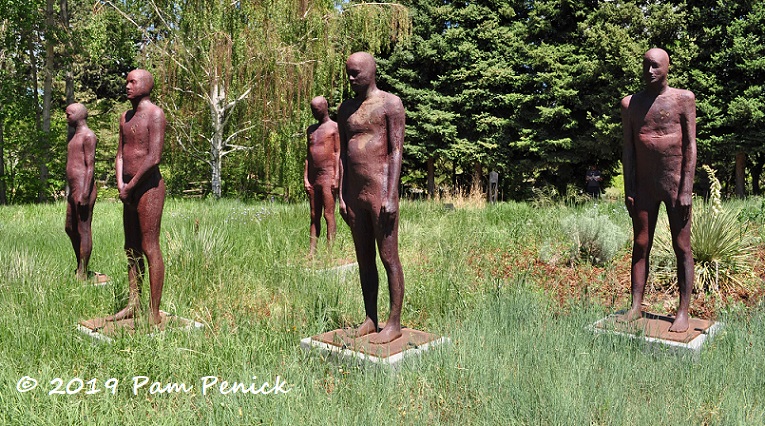
Crevice garden, Japanese garden, and more sculpture at Denver Botanic Gardens: Denver Garden Bloggers Fling
July 16, 2019 Continuing with my visit to Denver Botanic Gardens during the Denver Garden Bloggers Fling (June 2019), here is my favorite installation in the ongoing Human | Nature exhibit: Lights by Steinunn Thorarinsdottir. Five impassive, rough-hewn figures stand amid the grasses of the Plains Garden. Small holes punched ...
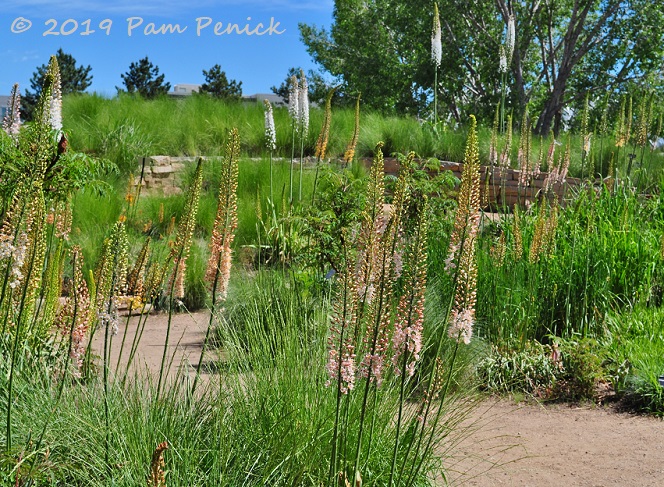
Steppe garden, foxtail lilies, and sculpture at Denver Botanic Gardens: Denver Garden Bloggers Fling
July 16, 2019 All 80+ bloggers had lunch under a pavilion at Denver Botanic Gardens on Day 3 of the Denver Garden Bloggers Fling (June 2019), and then we were set loose for about an hour. One hour is not enough time to see DBG, of course. One day hardly ...
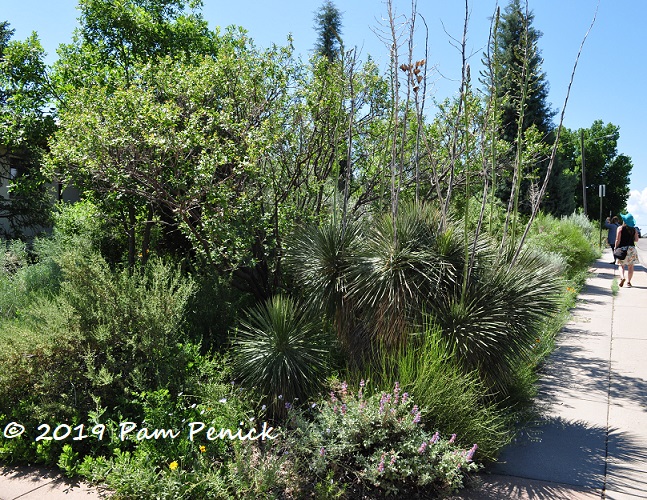
A dryland garden inspired by Mother Nature: Denver Garden Bloggers Fling
July 15, 2019 After 24 years as a radio talk show host on gardening, Jim Borland may have retired, but his Denver garden continues to broadcast loud and clear about how to garden in semi-arid eastern Colorado (15 inches of annual precipitation) without using any supplemental water. His gardening inspiration? ...
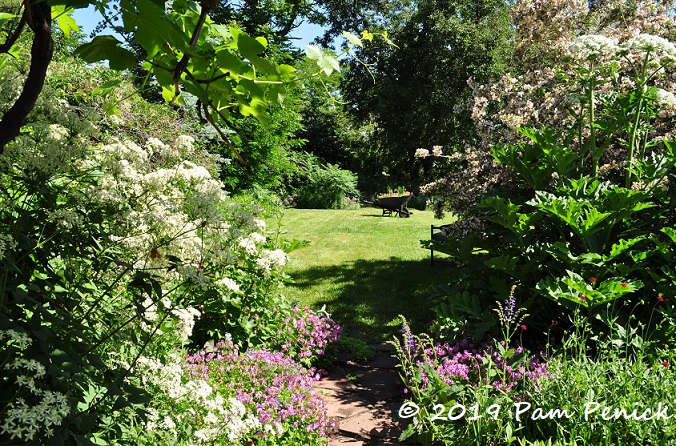
Containers and color galore in Rob Proctor’s garden: Denver Garden Bloggers Fling
July 15, 2019 Rob Proctor has been showing Coloradans how to garden for decades. A former director of horticulture at Denver Botanic Gardens and the author of 17 gardening books, he also appears weekly on Denver’s channel 9 news for a gardening segment called “Proctor’s Garden.” When we arrived at ...
