

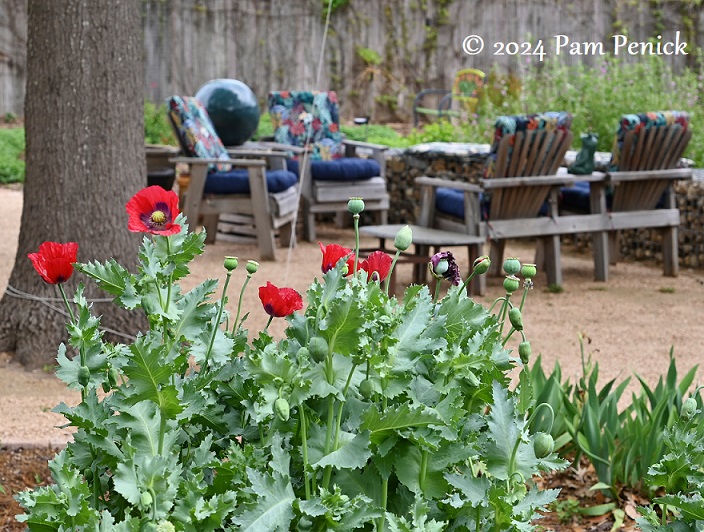
Transplanted from PNW, Nancy begins new garden in Austin
March 23, 2024 I was happy to visit the new garden of a new gardening friend a few days ago. Located in Austin’s Windsor Hills neighborhood, the garden represents a new beginning for its creator, Nancy Fortner (@gardeningwhileold). In 2021, to be near their daughter, Nancy and her late husband, ...
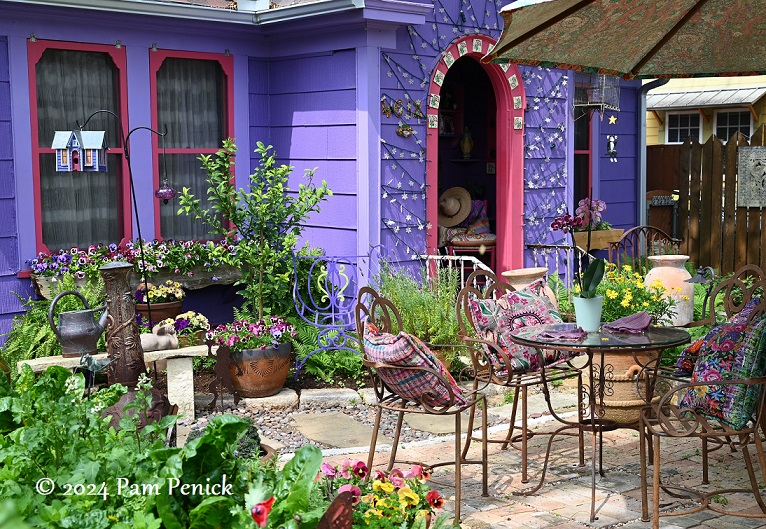
Lucinda’s purple-heart home and garden
March 20, 2024 Who can resist Lucinda Hutson‘s purple casita with mango trim and festive garden? Not me! When Lucinda invited me over last week for a spring garden visit, I happily said yes. The color-party starts on the alcove-like porch, where grape walls and a deep-rose screen door are ...
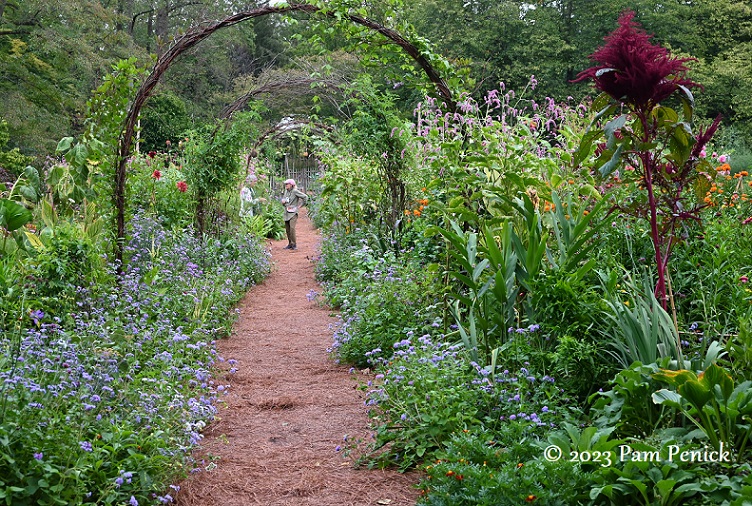
Cutting Garden and Fling Party at Chanticleer
January 24, 2024 Last September, the Philadelphia Area Fling took me to Pennsylvania, where I enjoyed two visits to the incomparable Chanticleer. I spent a full day there before the tour began and returned for the official afternoon visit, which ended with dinner, live music, and dancing in the garden ...
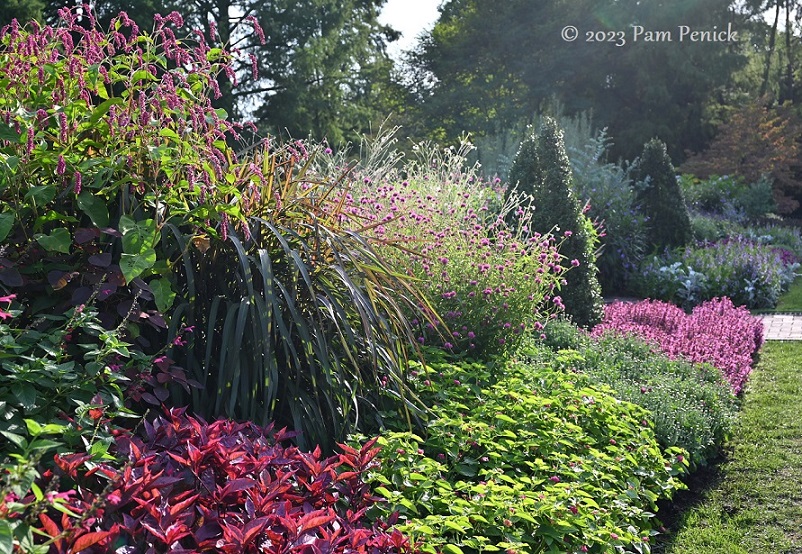
Flamboyant flower borders and containers at Longwood Gardens
October 05, 2023 Longwood Gardens is a showplace of plants designed to wow, and wow it did during the Philadelphia Area Fling tour in late September. Today I’ll show the most crowded — and likely most popular — part of the garden, the Flower Garden Walk and Compartment Gardens. As ...
Happy, colorful courtyards at The Lincoln Marfa
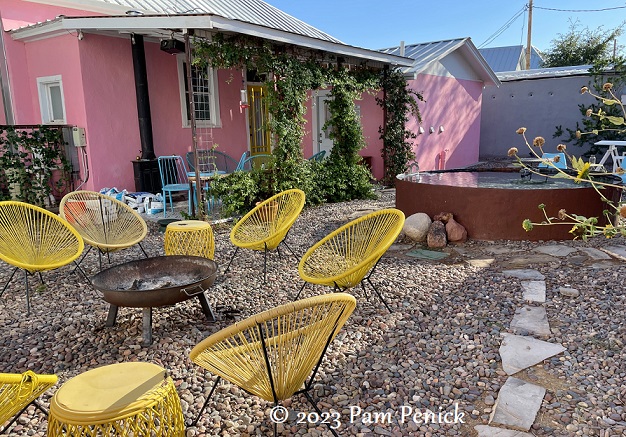
September 18, 2023 I stayed at The Lincoln, a boutique hotel of 14 “unique homes” at a century-old property, when I visited Marfa a couple weeks ago. A bright yellow door and orange cosmos flowers offered a cheerful welcome as I rolled my bag to Unit 7, passing a gigantic, ...
Michael Eason’s desert garden retreat
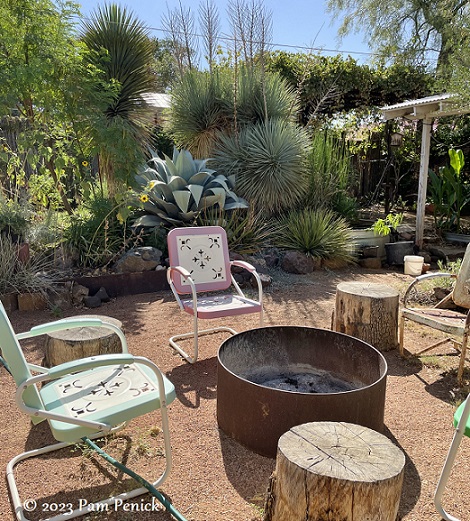
August 14, 2023 While in West Texas a couple weeks ago, I had the pleasure of visiting designer and author Michael Eason‘s garden in Alpine. Michael had lined up some wonderful gardens for me to visit there, ones that he’d designed, but it was nice to see his own personal ...
Robert Bellamy’s upcycled Marfa garden
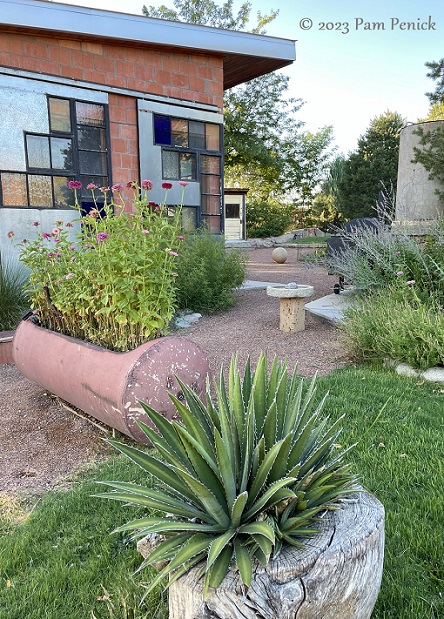
August 02, 2023 Last week I road-tripped 7 hours west to remote Marfa, a sleepy desert town in far West Texas that’s also, thanks to Donald Judd, an art mecca drawing visitors from all over the world. Quite a few Marfa lovers from Dallas, Houston, and Austin own second homes ...
Late-winter flora and fauna on my 17th blogiversary
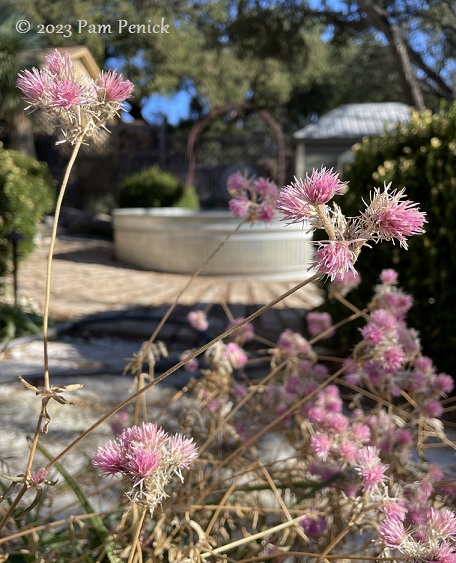
February 14, 2023 ‘Fireworks’ gomphrena gone to seed On Valentine’s Day 2006 I hit publish for my very first blog post. Back then I saw blogging as a way to document my garden through the seasons and to join the online conversation about gardening in Austin. Boy, was it ever! ...
Autumn gardens and biking at Biltmore House
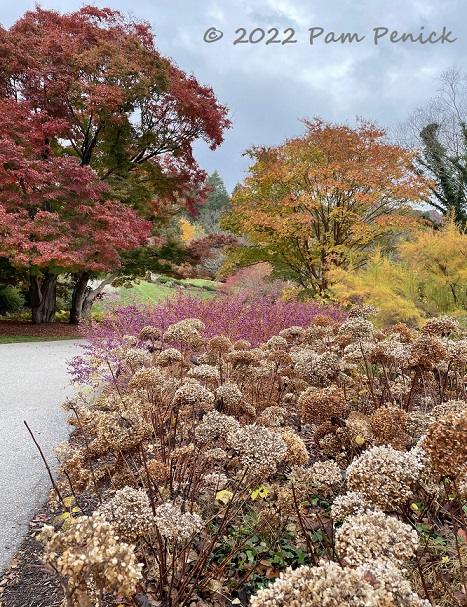
November 17, 2022 During our visit to Asheville, North Carolina, earlier this month, we spent one day at Biltmore House — but not to see the castle-like chateau erected by the New York-based Vanderbilts as their summer place. We’ve toured the house before, and it’s interesting, but I didn’t feel ...
Spotlight around the garden
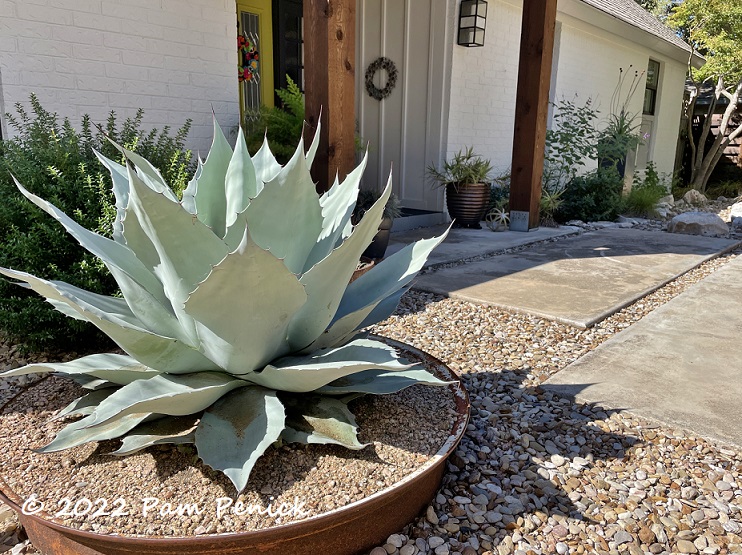
November 09, 2022 Before Halloween I took a few photos of whatever caught my eye, starting with the whale’s tongue agave in the tractor-rim planter. Hello, gorgeous! Somebody is watching me from the far end of the Berkeley sedge lawn. Hello, deer. Oh, and the Wheeler’s sotol that replaced the ...
Day of the Dead in Lucinda’s colorful garden
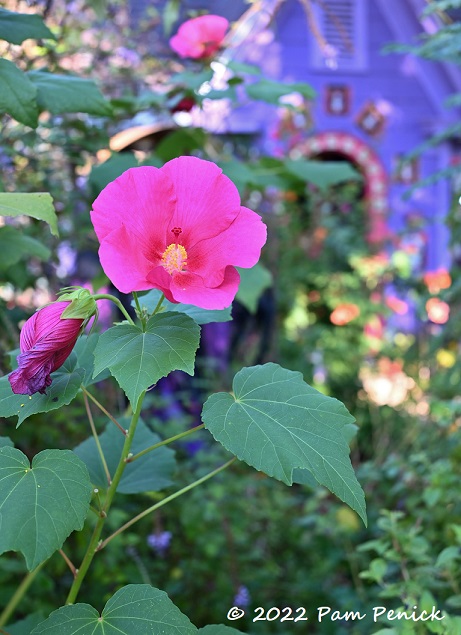
October 27, 2022 Lucinda Hutson welcomed me and Teri Speight, my recent Garden Spark speaker, into her garden last week to see it decorated for Day of the Dead. This is a treat I look forward to all year. Lucinda’s garden and purple cottage always glow with color in October, ...
Ojos y Manos at Santa Fe Botanical Garden
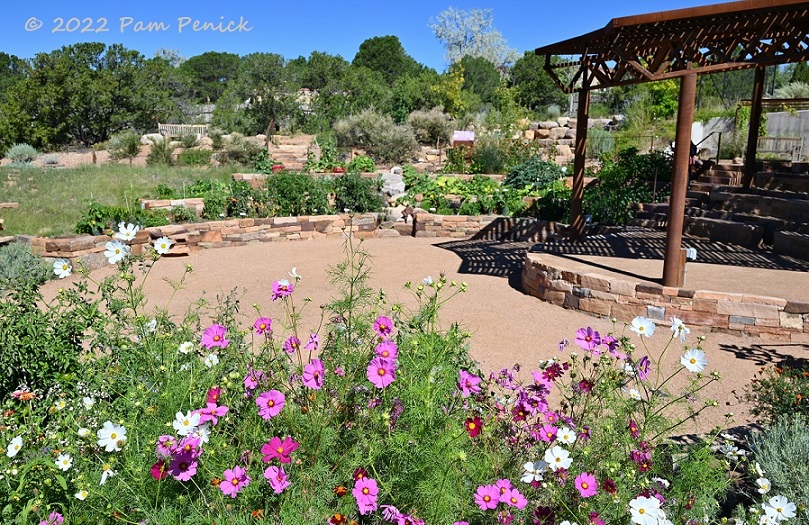
September 21, 2022 The Ojos y Manos: Eyes and Hands Garden hadn’t opened the first time I visited Santa Fe Botanical Garden. So during my return visit last month, I was happy to be able to explore it. (Here’s Part 1 of my recent visit.) Ojos y Manos, an educational ...
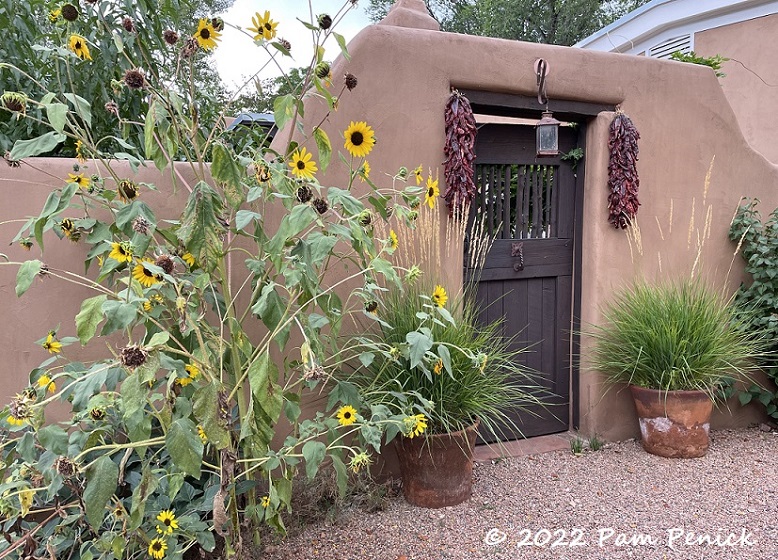
Doors, gardens, art along Santa Fe’s Canyon Road
September 14, 2022 Santa Fe’s adobe structures seem an extension of the earth itself. Curvy walls in warm, desert hues — tan, soft rose, terracotta — rear up from the gravelly soil to enclose courtyards and residences. Wooden doors, some with slatted windows for a glimpse inside, add mystery and ...
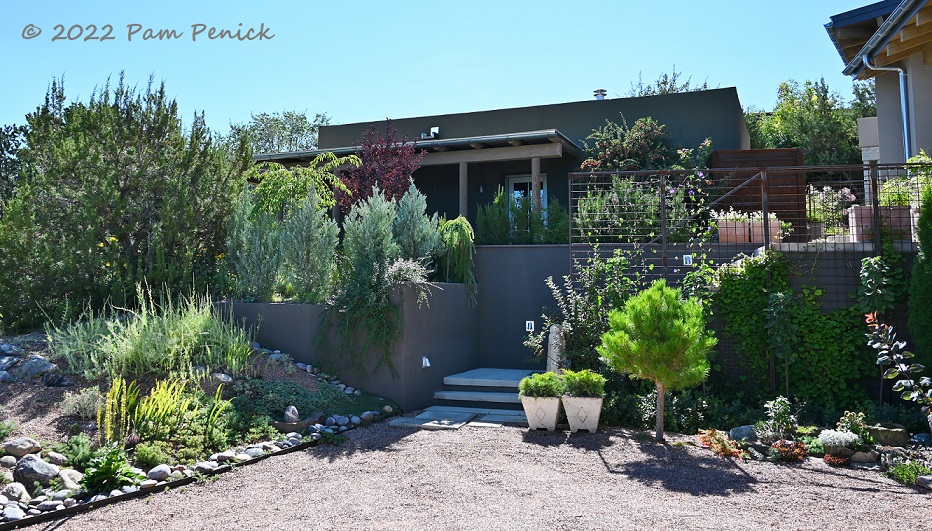
James David and Gary Peese’s new garden in New Mexico
September 09, 2022 Landscape architect James David and Gary Peese departed Austin about 5 years ago, leaving behind a 36-year-old, swoon-worthy garden that regularly starred on Open Days Tours and was covered by Martha Stewart, Architectural Digest, and, ahem, yours truly (click for my final visit). Looking for cooler weather, ...
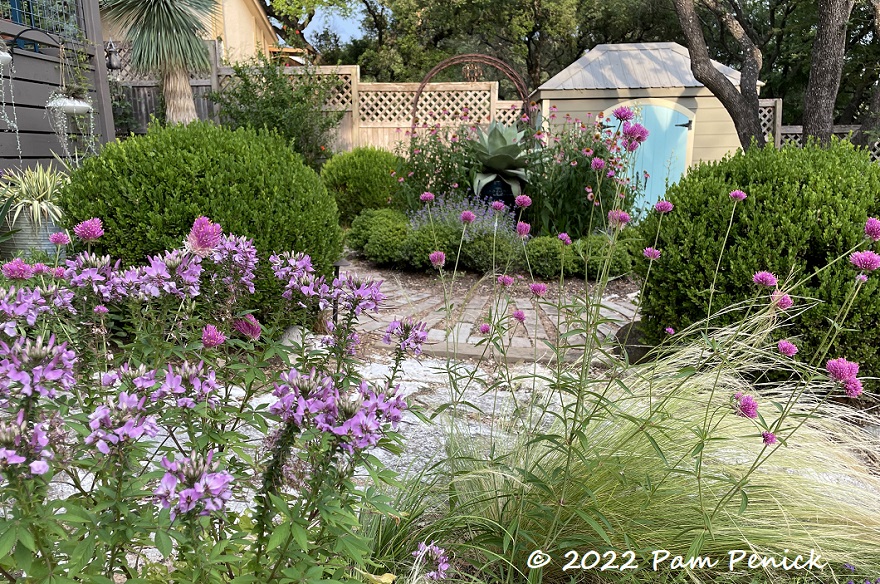
Hot summer garden before it got super hot
June 29, 2022 I returned yesterday from the Madison Garden Bloggers Fling, and I’m already missing Wisconsin’s cooler summer climate. But dark clouds greeted me when I got home and then RAIN! An inch fell on my parched and heat-stressed garden, refreshing everything and sparing me from having to do ...
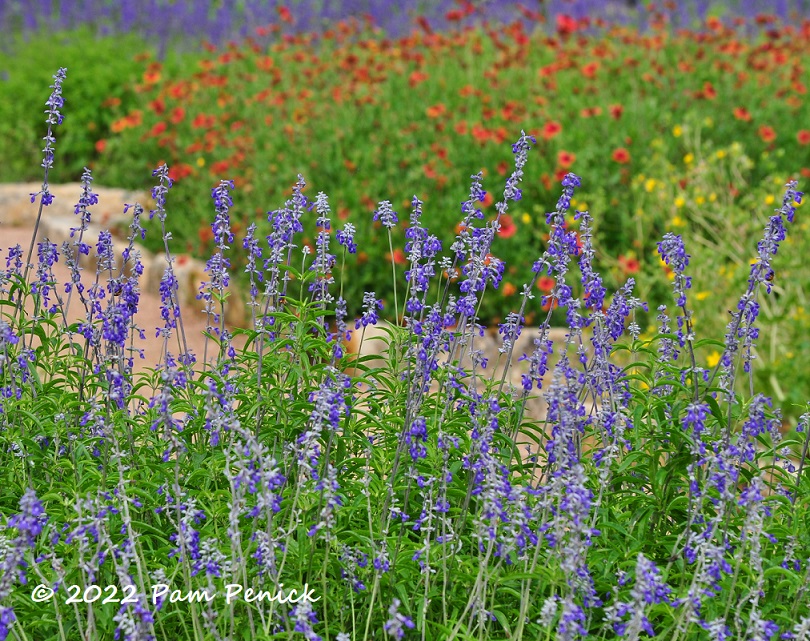
At the Wildflower Center with Jennifer Jewell
June 04, 2022 When Jennifer Jewell of Cultivating Place came to Austin a month ago, we visited the Lady Bird Johnson Wildflower Center together. I enjoy showing visitors around our state botanical garden, planted exclusively with native Texas plants. In early May, the late-spring wildflowers were in party mode. Wildflowers ...
