

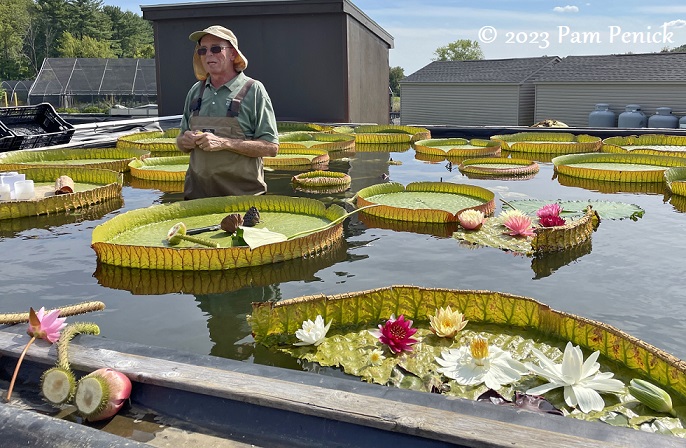
Behind-the-scenes tour at Longwood Gardens plant-production facility
October 09, 2023 The Philadelphia Area Fling in September officially started with a behind-the-scenes tour at Longwood Gardens. I didn’t know what to expect and was astonished to learn about an army of plant-production staff working at Longwood to grow horticultural displays that wow all year, but especially during big ...
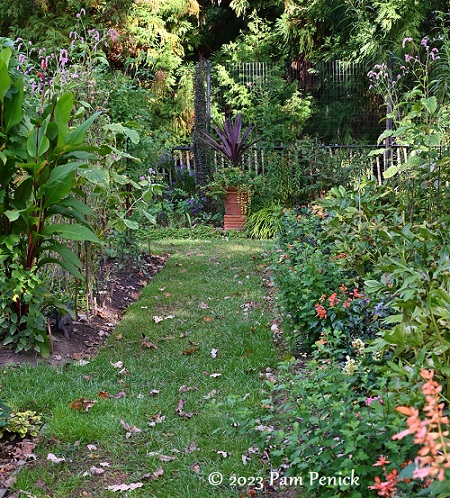
Early autumn at Hedgleigh Spring garden
September 29, 2023 At the Philadelphia Area Fling last week, after touring Belvidere, we visited another private garden in Swarthmore with a grand name, Hedgleigh Spring. Happily, the 2-acre garden on a pretty, tree-lined street is far more approachable than its name might suggest, although it does have the pedigree ...
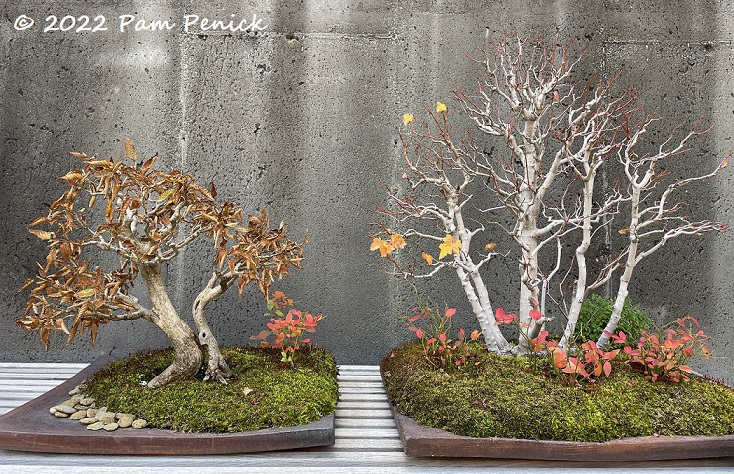
Bewitching bonsai, art, and autumn gardens at North Carolina Arboretum
November 30, 2022 Located in Asheville on the doorstep of the Blue Ridge Parkway, with views of the Southern Appalachian Mountains, the North Carolina Arboretum draws hikers, mountain bikers, and trail walkers thanks to 10 miles of wooded, hilly, dog-friendly trails. But garden lovers like myself find plenty to enjoy ...
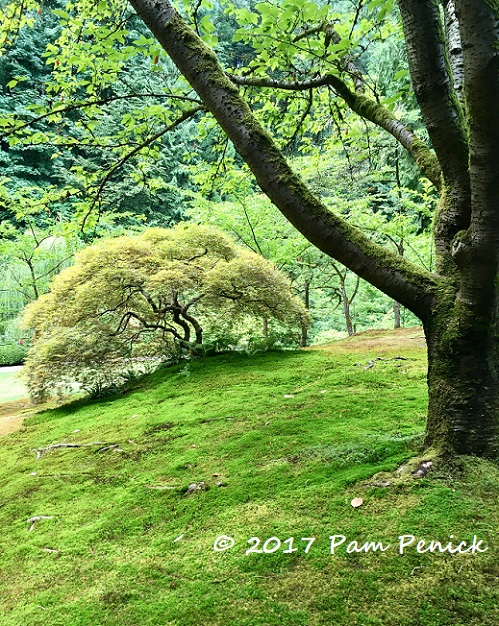
Sunny day at Portland Japanese Garden
September 25, 2017 A trip to Portland, Oregon, wouldn’t be complete without seeing the city’s luminous Japanese garden. During our mid-August visit, we had to try twice because the first time, on a Sunday afternoon, we simply could not find any parking, even after circling for a half hour. Even ...
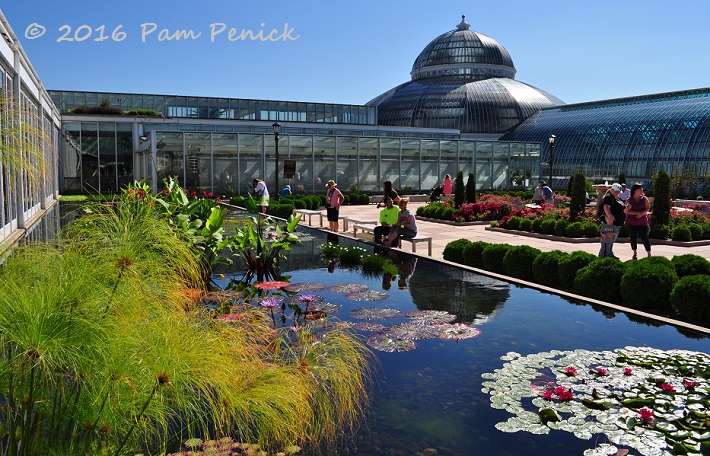
Como Park Conservatory and Japanese Garden: Minneapolis Garden Bloggers Fling
July 28, 2016 In the South we don’t have many conservatories, probably because our winters aren’t particularly bleak or cold. But I’ve visited a few on my travels to northern states, and on day three of the Minneapolis Garden Bloggers Fling, I got to see another one at Como Park ...
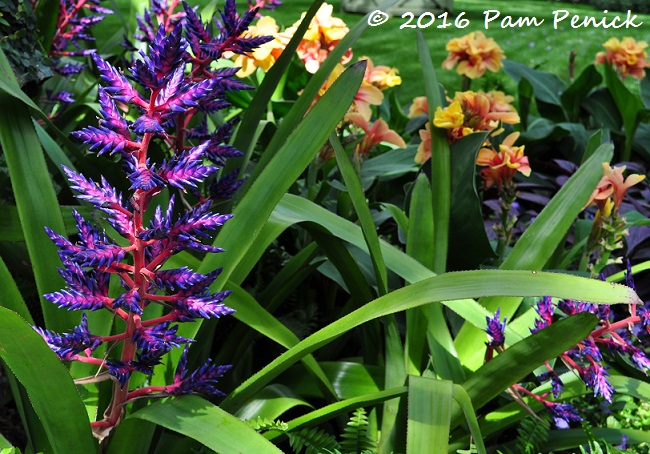
Those who play in glass houses: Conservatory and Indoor Children's Garden at Longwood Gardens
June 26, 2016 Maybe Southerners don’t need conservatories because our winters are pretty green. Growing up in the South, I don’t recall ever visiting a conservatory until I started garden traveling to northern states. (We don’t have a culture of spring garden shows either, perhaps for the same reason.) Call ...
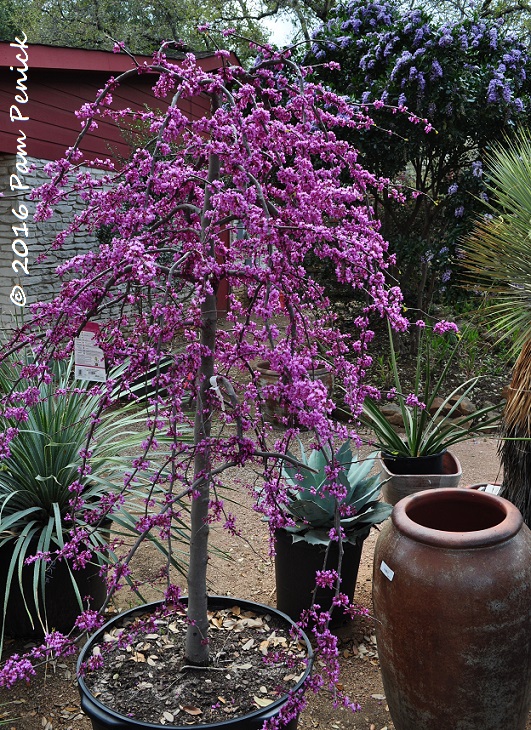
Spring visit to Hill Country Water Gardens & Nursery
March 11, 2016 A few days ago I visited my favorite North Austin nursery, Hill Country Water Gardens & Nursery, which is actually located in Cedar Park, just northwest of Austin. As the name implies, HCWG carries pond plants, fish, fountains, pond equipment, and other water-garden supplies. But over the ...
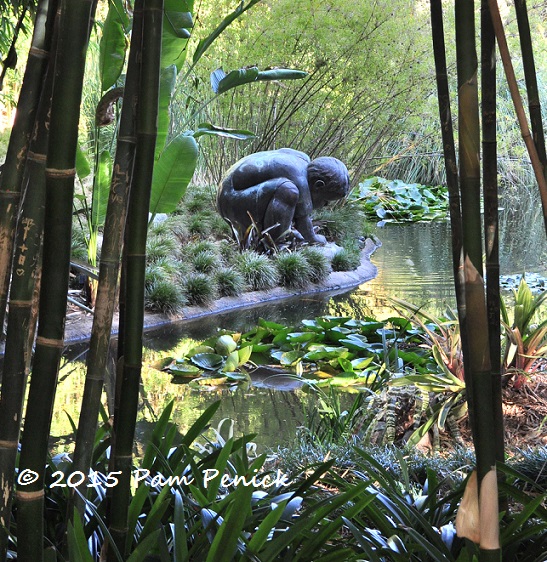
Evening photo shoot at The Huntington Gardens: GWA Pasadena
October 29, 2015 The Huntington gardens near Los Angeles have, for years, been on my wish list of botanical gardens to visit. So I was thrilled to see an afternoon visit and after-hours photoshoot offered on the itinerary of the Garden Writers Association symposium on September 20. Unfortunately, it was ...
Visit to Wave Hill in New York City, Part 2
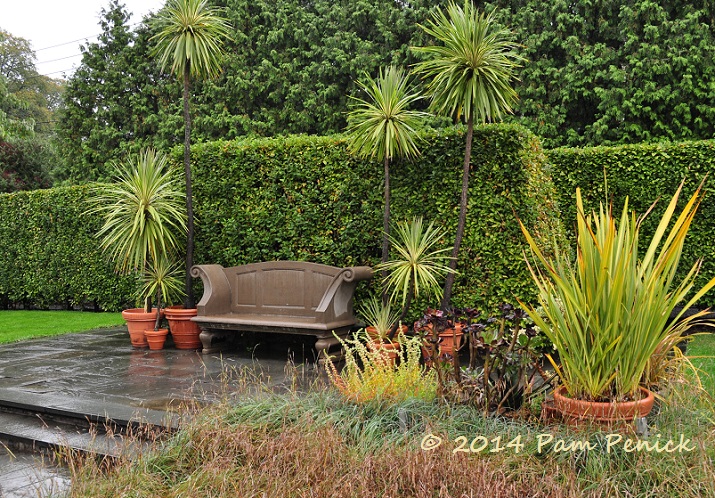
October 22, 2014 Wave Hill, an estate garden in the Bronx in New York City, which I visited on October 11, was romantically blowsy in the Pergola, Elliptical, and Flower Gardens near the entry. But it got a bit bolder, even Hollywood, in the Aquatic and Monocot Gardens. These two ...
Old World beauty at Filoli: San Francisco Garden Bloggers Fling
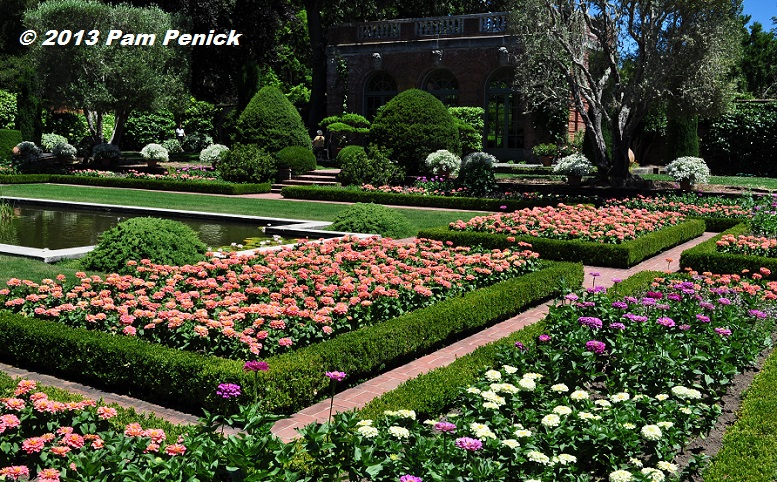
July 23, 2013 Our 3rd stop on the 2nd day of the San Francisco Garden Bloggers Fling was the old estate garden of Filoli. According to its website, Filoli is a “654–acre property, including the 36,000 square foot Georgian country house and spectacular 16–acre English Renaissance garden.” Despite the Texas-level ...

Virtual book tour for Indoor Plant Decor, plus a Bonsai Tool Set Giveaway
May 06, 2013 My friends Kylee Baumle (Our Little Acre) and Jenny Peterson (J Peterson Garden Design) have co-authored a brand-new book called Indoor Plant Decor: The Design Stylebook for Houseplants. To celebrate and help publicize its release, I’m participating in their cyber book party. And you know what a ...

Support Your Independent Nursery: The Great Outdoors GIVEAWAY
October 22, 2012 Each week in October, which is Support Your Independent Nursery Month, I am featuring one of my favorite Austin-area nurseries here at Digging. To make things even more interesting, I’m also hosting a giveaway every week—one from each nursery! This week I’m shining a spotlight on The ...
Olbrich Botanical Gardens: Favorite scenes
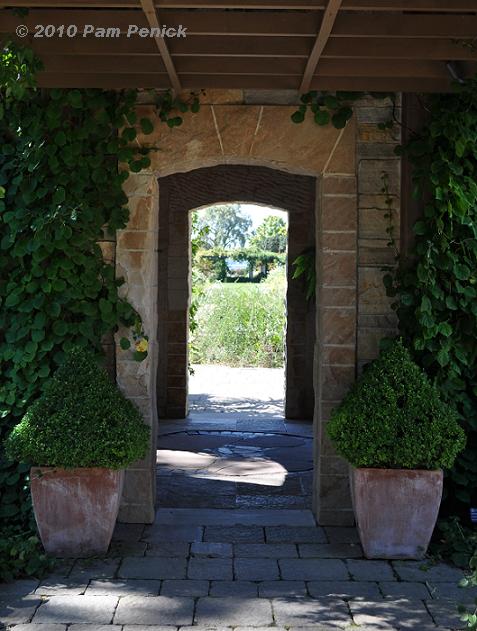
September 21, 2010 Architecture in the garden makes me happy, especially when I’m taking pictures. It can be used to frame a view, like this series of doorways. Walls are nice too, and they don’t have to be made of stone. The courtyard garden at Olbrich Botanical Gardens in Madison, ...
This place I love so much: Lady Bird Johnson Wildflower Center
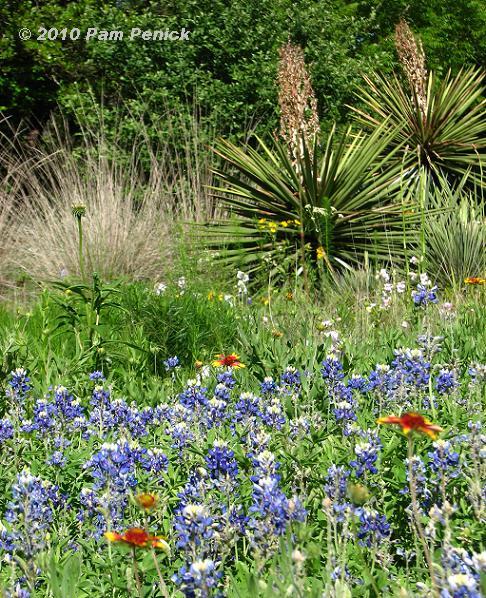
May 07, 2010 The Wildflower Center played matchmaker when I moved here, giving me the nudge I needed to fall in love with Austin’s rugged, sometimes spiky natural beauty. Still smitten, on Monday morning I strolled the grounds to see what was new. As always, I like to point out ...
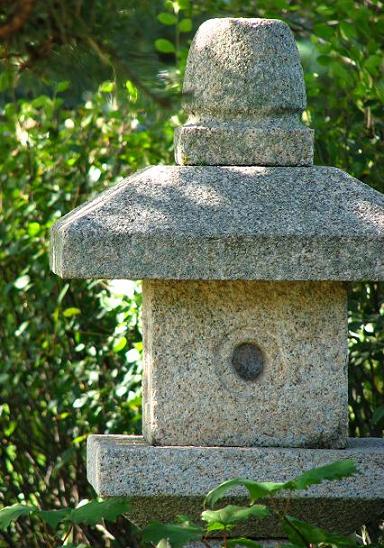
Chicago Botanic Garden: Japanese Garden & Bonsai Collection
October 17, 2007 One of my garden goals is to learn more about Japanese gardens, ideally through a trip to Japan. (Have you noticed that I like to travel?) Last spring I was inspired by Tom Spencer’s beautiful garden photos from Japan. Despite my appreciation for their quiet, reflective beauty, ...