

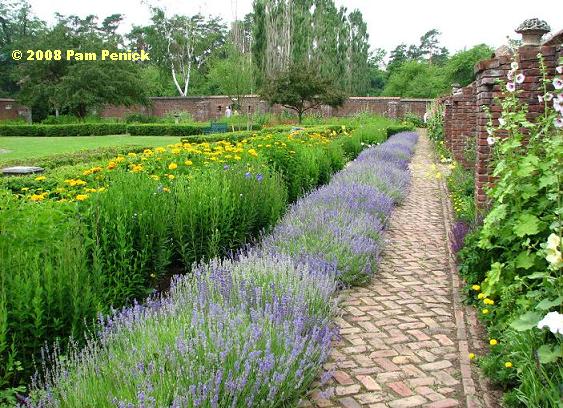
King’s Garden at Fort Ticonderoga
July 17, 2008 Fragrant lavender edges sunny paths in the King’s Garden at Fort Ticonderoga in upstate New York, which we visited at the end of June. The name “King’s Garden” is a bit misleading because this formal, ornamental garden did not exist when the French built the nearby fort ...
Switch Willo Stables
June 13, 2008 During the past week of 100-degree days, I enjoyed a twice-daily visit to Switch Willo Stables in northwest Austin, where my daughter attended a riding day camp. What a beautiful, lush oasis tucked away in a neighborhood that nowadays is practically in-town. When Switch Willo opened back ...

More from Gardens on Tour 2008
May 19, 2008 You’ve seen Tom Spencer’s garden, which I visited on Mother’s Day weekend as part of Gardens on Tour 2008, a self-guided tour of Austin gardens that feature native plants and green-gardening practices. Sponsored by the Wildflower Center, the tour’s focus has varied wildly over the three years ...

Tom Spencer's TexZen garden
May 14, 2008 Blue pot with dianthus Can a garden you’ve visited only three times, briefly, seem almost as familiar as your own? It can if it’s Tom Spencer’s. At Soul of the Garden, Tom has been chronicling his garden—and “exploring the garden of life”—with stunning photographs and introspective essays ...
Tom Spencer’s TexZen garden
May 14, 2008 Blue pot with dianthus Can a garden you’ve visited only three times, briefly, seem almost as familiar as your own? It can if it’s Tom Spencer’s. At Soul of the Garden, Tom has been chronicling his garden—and “exploring the garden of life”—with stunning photographs and introspective essays ...

Gardens on Tour this weekend
May 06, 2008 ‘Best of Friends’ daylilies with the stock-tank planter containing silver ponyfoot, squid agave, Manfreda ‘Macho Mocha,’ and Hinckley’s columbine Spring and summer are vying for dominance in Austin this week. One day it’s in the 70s and a cool north wind is blowing. The next, it’s a ...
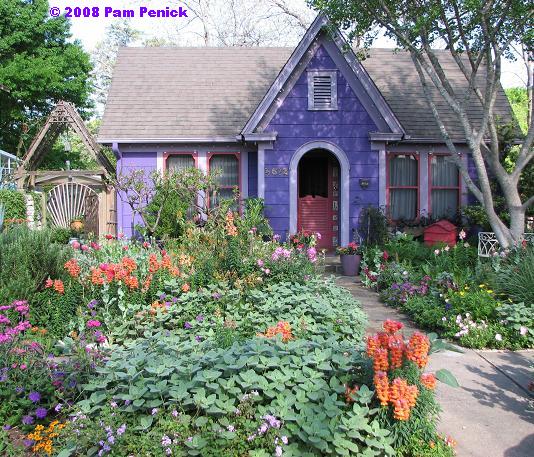
Lucinda Hutson's enchanting garden
April 13, 2008 On Sunday after the Garden Bloggers Spring Fling, the out-of-towners who stayed an extra day joined some of the Austin garden bloggers for a personal tour of herbal-cookbook author Lucinda Hutson’s garden. The other Spring Flingers may remember Lucinda from the happy hour at my house on ...
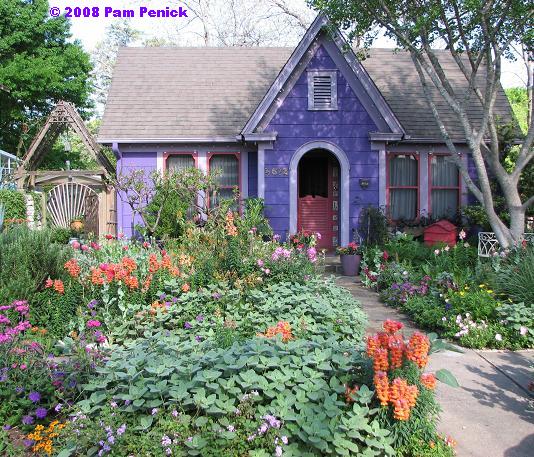
Lucinda Hutson’s enchanting garden
April 13, 2008 On Sunday after the Garden Bloggers Spring Fling, the out-of-towners who stayed an extra day joined some of the Austin garden bloggers for a personal tour of herbal-cookbook author Lucinda Hutson’s garden. The other Spring Flingers may remember Lucinda from the happy hour at my house on ...

Meeting Carol & a tour of Jenny Stocker's garden
April 04, 2008 On her Blotanical “Plot” (site no longer active), in her entry for Garden to See Before I Die, Carol of May Dreams Gardens has written, “All those gardens of the Austin garden bloggers!” As it happens, a number of the Austin garden bloggers have had a burning ...
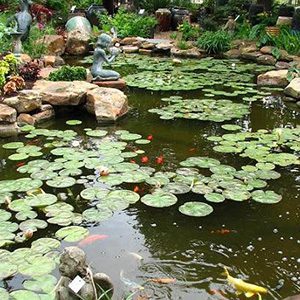
Meeting Carol & a tour of Jenny Stocker’s garden
April 04, 2008 On her Blotanical “Plot” (site no longer active), in her entry for Garden to See Before I Die, Carol of May Dreams Gardens has written, “All those gardens of the Austin garden bloggers!” As it happens, a number of the Austin garden bloggers have had a burning ...
